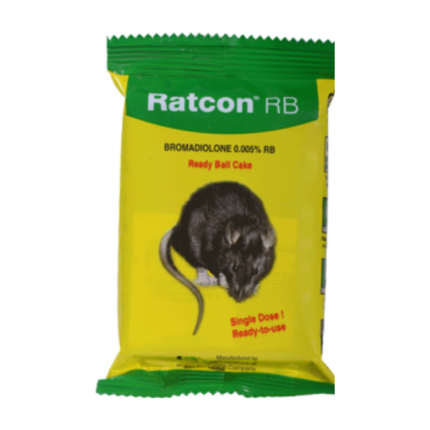
Ratcon RB
Rodent

Validate the effectiveness, consistency, and reproducibility of your Ethylene Oxide (ETO) sterilization process with a structured ETO Sterilization Process Validation solution. Designed for medical device and healthcare product manufacturers, it supports cycle development, process qualification, microbiological validation, and documentation in line with applicable sterilization requirements.
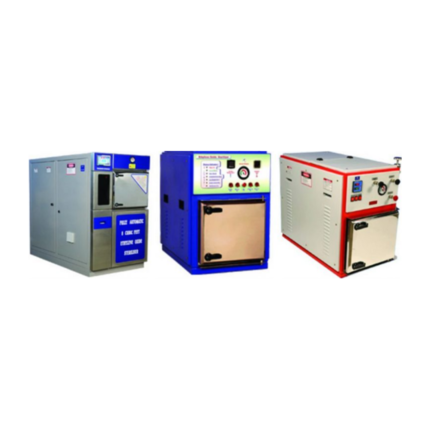
ETO Sterilisation Process Validation is a systematic approach to demonstrate that an Ethylene Oxide sterilization cycle consistently achieves the required level of microbial inactivation while maintaining product safety and functionality.
The validation process evaluates critical sterilization parameters including temperature, relative humidity, ETO concentration, exposure time, pressure, load configuration, and process performance. Biological Indicators (BI) and Process Challenge Devices (PCD) can be incorporated to challenge and verify the effectiveness of the sterilization process.
Designed for medical device manufacturers, healthcare product manufacturers, sterilization facilities, and other organizations using ETO sterilization, this solution supports reliable and reproducible sterilization processes.

Evaluate and validate the sterilization cycle parameters required to achieve consistent process performance.

Monitor critical parameters including temperature, relative humidity, ETO concentration, exposure time, and pressure.

Use Biological Indicators to challenge the sterilization process and provide microbiological evidence of process effectiveness.

Apply Process Challenge Devices to evaluate sterilant penetration and challenge the sterilization process at difficult-to-sterilize locations.

Support physical and microbiological performance qualification of the ETO sterilization process under defined operating conditions.

Generate structured validation documentation and records to support process control, quality systems, and regulatory requirements.
Validate ETO sterilization processes for medical devices and healthcare products that require low-temperature sterilization.
Support sterilization validation for products requiring effective microbial control without exposure to high temperatures.
Help establish consistent ETO sterilization processes for applicable healthcare manufacturing operations.
Support validation and routine control of ETO sterilization processes used for contract and in-house sterilization.
Suitable for products where conventional high-temperature sterilization methods may affect material properties or product functionality.
| Field | Detail |
|---|---|
| Validation Method | Ethylene Oxide (ETO) Sterilization Process Validation |
| Applicable Standard | ISO 11135 |
| Validation Approach | Physical & Microbiological Performance Qualification |
| Critical Parameters | Temperature, Relative Humidity, ETO Concentration, Exposure Time & Pressure |
| Microbiological Challenge | Biological Indicators (BI) |
| Process Challenge | Process Challenge Devices (PCD) |
| Process Evaluation | Cycle Performance & Reproducibility |
Rodent
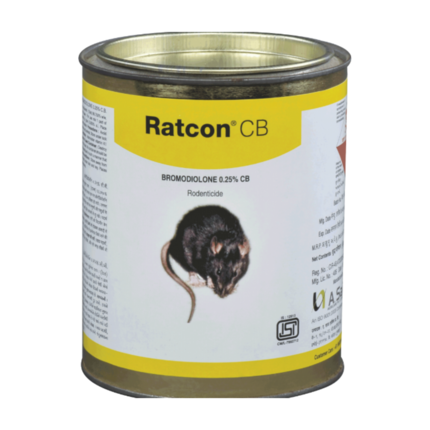
Rodent
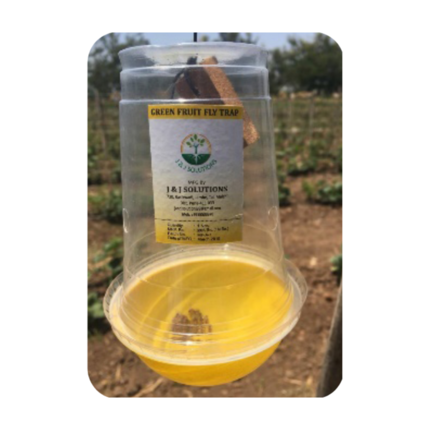
Agricultural Pest Management

Rodent
Insect Monitoring

Insect Monitoring

Rodent
Rodent
Agricultural Pest Management

Fly
Sterilization
Sterilization
ETO Sterilization Process Validation is the documented process of demonstrating that an Ethylene Oxide sterilization cycle can consistently achieve the required level of microbial inactivation under defined conditions.
ETO sterilization validation is used to establish and demonstrate that an Ethylene Oxide sterilization process is effective, reproducible, and capable of meeting predetermined requirements for the products being sterilized.
Critical parameters can include temperature, relative humidity, ETO concentration, exposure time, pressure, load configuration, and other process conditions that influence sterilization performance.
Yes. Biological Indicators can be used as part of microbiological validation to challenge the ETO sterilization process and evaluate its effectiveness.
A Process Challenge Device is designed to provide a defined challenge to the sterilization process. In ETO validation, PCDs can be used to evaluate sterilant penetration and process performance at challenging locations.
ISO 11135 specifies requirements for the development, validation, and routine control of Ethylene Oxide sterilization processes for medical devices.
Yes. A properly validated process establishes the operating conditions and controls required for consistent routine sterilization. ISO 11135 also addresses routine control of the sterilization process.
Yes. APCO can help organizations understand their ETO sterilization validation requirements and determine the appropriate validation approach for their products and process.