
Ratcon RB
Rodent

Design and set up a modern Central Sterile Services Department (CSSD) with a structured workflow for cleaning, disinfection, inspection, packing, sterilization, storage, and distribution of medical instruments.
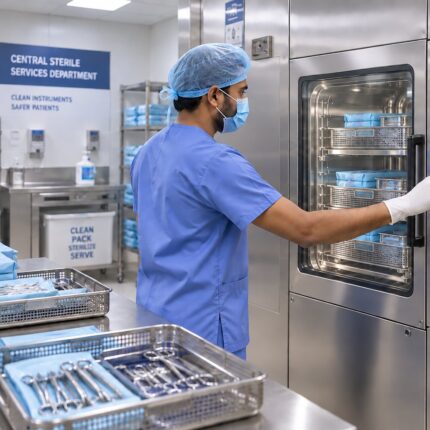
A modern Central Sterile Services Department (CSSD) ensures the safe and efficient cleaning, disinfection, inspection, packing, sterilization, storage, and distribution of medical instruments.
A well-planned CSSD is designed around a unidirectional workflow, with proper segregation of dirty, clean, and sterile areas. This helps minimize cross-contamination while supporting efficient instrument processing and safe working conditions.
From receiving used instruments to distributing sterilized items to clinical departments, every stage is planned to create a controlled and efficient sterile processing workflow.
A properly planned CSSD can support efficient instrument turnaround, consistent sterilization quality, improved staff safety, and reliable sterile supply across healthcare facilities.

Dedicated area for receiving, sorting, and handling used medical instruments before cleaning.

A designated area for manual and automated cleaning and disinfection of instruments.

Controlled workspace for instrument inspection, functional checks, assembly, and packing before sterilization.

Dedicated area for sterilizing packed instruments using appropriate sterilization processes and equipment.

Organized storage area for maintaining processed sterile items before they are issued for clinical use.

Instruments move progressively from Dirty → Cleaning → Inspection & Packing → Sterilization → Sterile Storage → Distribution, maintaining separation between contaminated and sterile materials.
Centralized sterile processing for operating theatres, wards, and other clinical departments.
Designed to support multiple departments and higher instrument processing requirements.
Efficient sterile processing solutions for facilities with regular surgical procedures.
Compact and organized CSSD workflows suited to facilities with focused clinical operations.
CSSD infrastructure supporting teaching hospitals and institutional healthcare facilities.
Suitable for upgrading, reorganizing, or improving an existing CSSD workflow.
| Field | Detail |
|---|---|
| Department Type | Central Sterile Services Department |
| Workflow | Unidirectional material flow |
| Primary Zones | Dirty, Cleaning, Inspection & Packing, Sterilization, Sterile Storage |
| Material Movement | Dirty → Clean → Sterile |
| Processing Stages | Decontamination, Cleaning, Inspection, Packing, Sterilization, Storage & Distribution |
| Equipment Planning | Based on facility requirements and instrument processing volume |
| Storage Planning | Dedicated sterile storage area |
| Area Segregation | Physical separation of contaminated, clean, and sterile activities |
| Application | Hospitals, surgical centres, healthcare institutions and other clinical facilities |
Whether you are setting up a new CSSD or upgrading an existing facility, our team can help you plan the workflow, area segregation, and sterile processing requirements around your facility.
Rodent
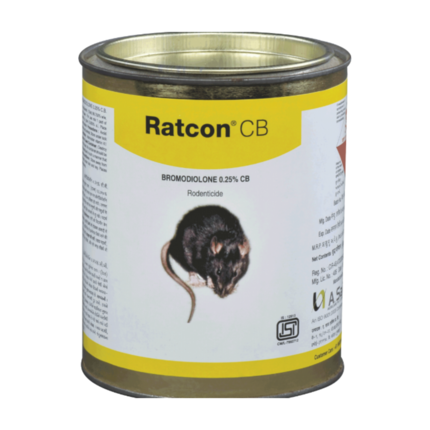
Rodent
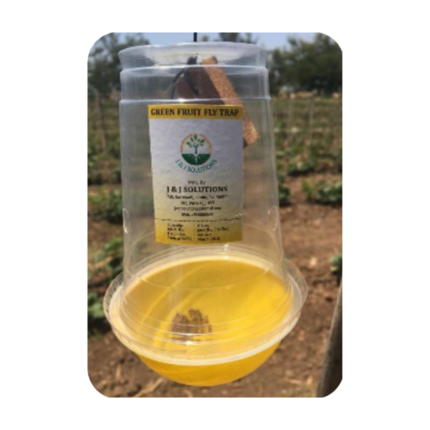
Agricultural Pest Management

Rodent
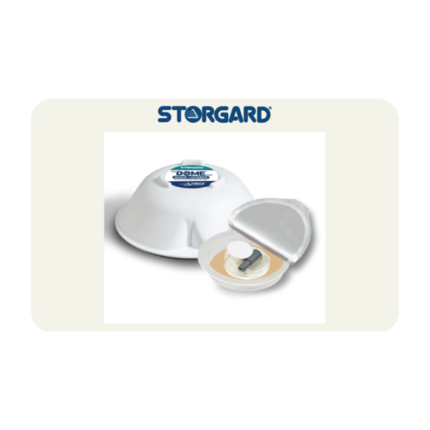
Insect Monitoring

Insect Monitoring

Rodent
Rodent
Agricultural Pest Management
Fly
Sterilization
Sterilization
With extensive experience in pest management, sterilization, and infection control solutions, APCO supports healthcare facilities with solutions designed around safety, hygiene, and operational requirements.
Our CSSD approach focuses on more than individual equipment. We consider the workflow, area segregation, material movement, processing stages, and storage requirements needed to create an efficient sterile services department.
From new CSSD projects to improvements in existing facilities, our team can help you plan a practical workflow suited to your healthcare environment.
Discuss Your CSSD RequirementsStructured Workflow
Clear movement from dirty to sterile areas.
Area Segregation
Designed separation between contaminated, clean, and sterile activities.
Operational Efficiency
Planned workflow for efficient instrument processing.
CSSD stands for Central Sterile Services Department. It is the department responsible for the cleaning, disinfection, inspection, packing, sterilization, storage, and distribution of reusable medical instruments.
A typical CSSD includes a decontamination/dirty area, cleaning area, inspection and packing area, sterilization area, and sterile storage area, followed by distribution to clinical departments.
A unidirectional workflow ensures that instruments move progressively from contaminated areas toward clean and sterile areas, helping reduce unnecessary crossing between different stages of sterile processing.
Yes. CSSD set-up can be planned around the healthcare facility's available space, workflow requirements, instrument processing needs, and operational requirements.
Yes. Existing CSSD facilities can be reviewed for workflow, area segregation, equipment placement, storage, and movement efficiency to identify opportunities for improvement.
CSSDs can be planned for hospitals, multi-specialty hospitals, surgical centres, day care hospitals, medical institutions, and other healthcare facilities requiring centralized sterile processing.
Important factors include available space, instrument volume, workflow, area segregation, equipment requirements, staff movement, storage capacity, and future operational requirements.